A 12 by 12 foot room needs about two gallons of paint for two coats, which is why diy interior painting looks so easy in the store aisle. The harder part is knowing what your walls need before the first coat goes on. If you live in Royal Oak or Berkley and you are weighing DIY vs professional painting, I’ll give you both sides straight.
I run a painting company, so I’m biased. Still, plenty of rooms are fine to paint yourself, and I’ll say so. Our residential painting services are a better fit when the job has repairs, height, or a deadline.

Why This Choice Feels Bigger Than a Can of Paint
On paper, this is a simple call. In real life, it rarely feels simple. Some homeowners worry about giving up weekends to a project that could drag on. Others worry about paying for work they could have done themselves. Both concerns are fair.
My view is plain: your walls shouldn’t be a guessing game. You should know the cost, the time, and the risk before you pick up a brush or a phone. That’s what the rest of this post gives you.
DIY vs Professional Painting: The Side by Side
Let’s line the two options up. No column wins every row, and that’s the point.
| Factor | DIY | Professional |
|---|---|---|
| Cash cost | Paint and supplies | Written quote; one room usually runs $600 to $1,000 |
| Your time | You tape, patch, sand, prime, paint twice, and clean up | Most rooms take about one day each |
| Repairs | Depends on your tools and skill | Prep is built into the quote |
| Protection | You move and cover the furniture | We move and cover most furniture and protect floors |
| Risk | Mistakes are yours to fix | Liability coverage up to $2,000,000 |
| Lead rules | EPA’s rule generally excludes homeowners in their own homes | Paid crews in pre-1978 homes must be EPA lead-safe certified |
DIY wins on cash cost. A pro wins on time and risk. Which one matters more depends on the room in front of you, and either choice is a fair one.
What Interior Painting Costs Either Way
Start with the paint. The Sherwin-Williams paint calculator says a gallon covers about 350 to 400 square feet. A 12 by 12 foot room with 8 foot walls has about 384 square feet of wall. Two coats means roughly 770 square feet, so plan on about two gallons before ceilings and trim.
Paint isn’t the whole DIY shopping list. Most rooms also need:
Now the pro side. I publish my pricing because homeowners research cost before they call anyone. One room usually runs $600 to $1,000. A full home interior usually runs $5,000 to $15,000, depending on size and wall condition. After an on-site visit, most final quotes land within 10% to 25% of our online calculator.
Here’s the honest math. If your time is free and your walls are smooth, DIY costs less cash. If the walls need repairs, a fair condition surface can add 15% to 25% to a quote in prep work alone, so price that work first.
If You Go DIY, Do These Four Things
If you choose DIY, I’m on your side. These four habits protect your finish:
Which Path Fits Your Room?
Use this as a gut check. It’s not a rule, but it’s how I’d steer a neighbor.
| Room situation | Better fit |
|---|---|
| Small room, smooth walls, no big repairs | DIY |
| Nail holes and light scuffs only | DIY |
| Stairwell, vaulted ceiling, or tall walls | Professional |
| Water stains, cracks, or peeling paint | Professional, or at least get a quote |
| Pre-1978 home with paint to sand or scrape | Professional |
| Several rooms and a firm deadline | Professional |
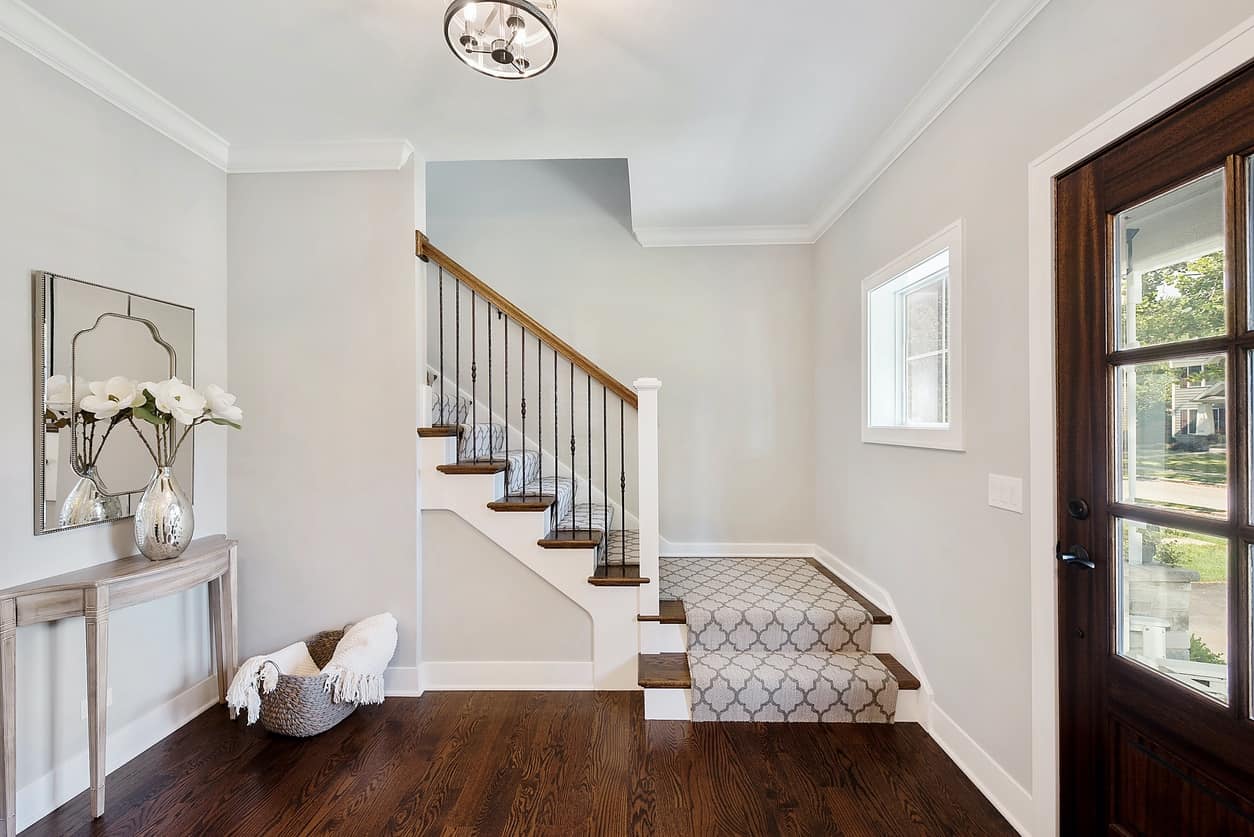
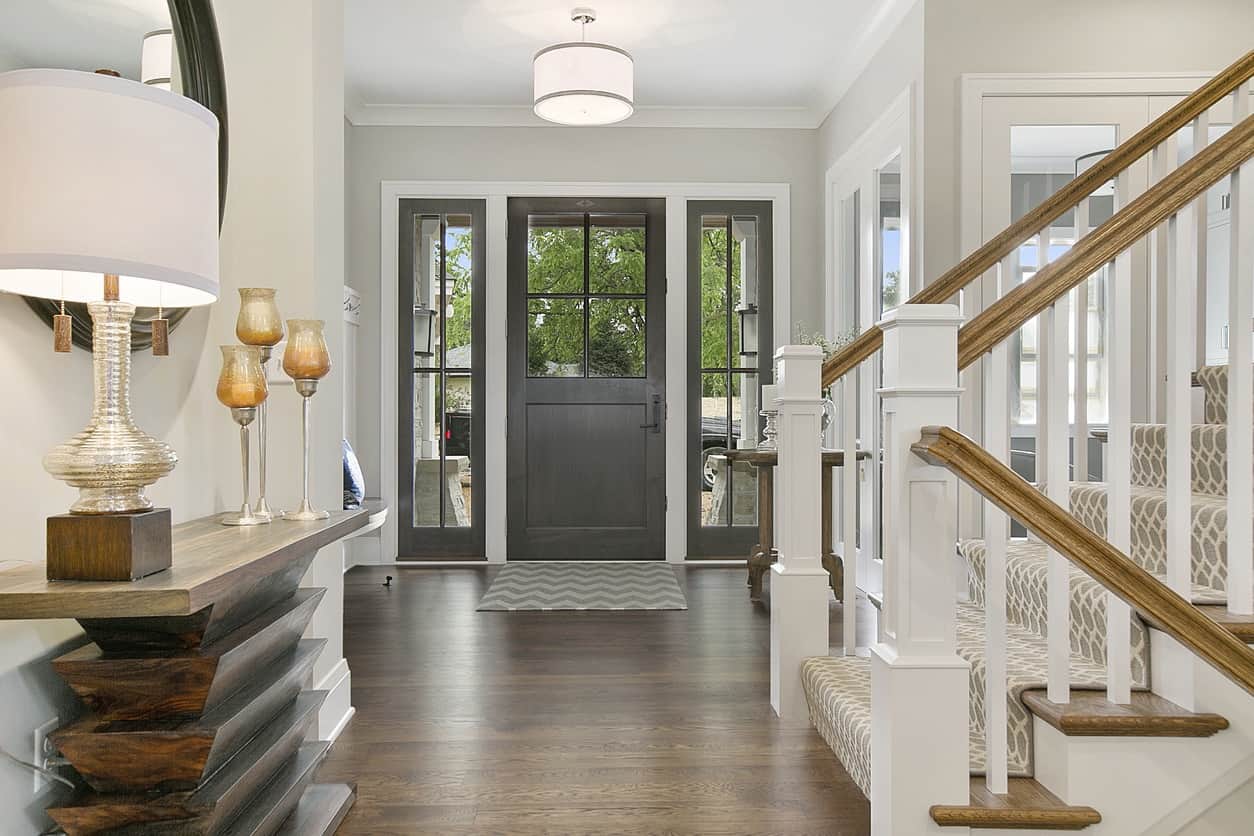
I’m not saying DIY is a mistake for a bedroom. I’m saying a stairwell, a long repair list, or a firm deadline changes the math. Height deserves a second look, too, because stairwells and vaulted ceilings take more time and equipment to paint safely, and that shows up in the price. If that sounds like your home, see what local house painters can do before you buy supplies. My team works across Oakland County, including Ferndale, Pleasant Ridge, and Huntington Woods.
Older Berkley Homes Need One Extra Step
Berkley has a lot of older homes. American Community Survey data compiled by NeighborhoodScout shows that roughly 85% of the city’s housing was built before 1970.
That matters because the EPA reports that about three-quarters of U.S. homes built before 1978 still contain some lead-based paint. Sanding or scraping that paint can create lead dust. The EPA’s lead rule generally doesn’t cover homeowners working on their own homes, but the agency still recommends a lead-safe certified contractor for pre-1978 projects.
If your home is older, test the paint before you sand anything. Use an EPA-recognized test kit, or ask a lead-safe certified pro to test it. Check peeling or chipping spots first. If you hire anyone, including us, ask to see their lead-safe certification.
What Happens During a Free Estimate
If you decide to get a quote, here’s what to expect. Our estimator measures your project and checks the condition of your surfaces. Then they walk you through your options. The visit takes about 60 minutes.
You’ll get a written, itemized quote with no vague line items. If the price changes after you approve the scope, we explain why. There’s no obligation, so you can take the quote home and compare it with your DIY plan.
Three Steps to Decide Before You Buy Paint
Here’s the plan I’d follow if you were my neighbor.
- 1Check the walls. Look for cracks, stains, peeling paint, and other wall damage. Note the year your home was built.
- 2
Price your time. Count the days for prep, two coats, and cleanup. Then compare that with a crew that finishes most rooms in about one day each.
- 3
Get one written quote. It’s free and itemized. Compare it with your DIY list.
This plan helps you avoid two surprises: prep work you didn’t price and an unplanned deadline. Either way, you end up with walls you’re glad to live with.