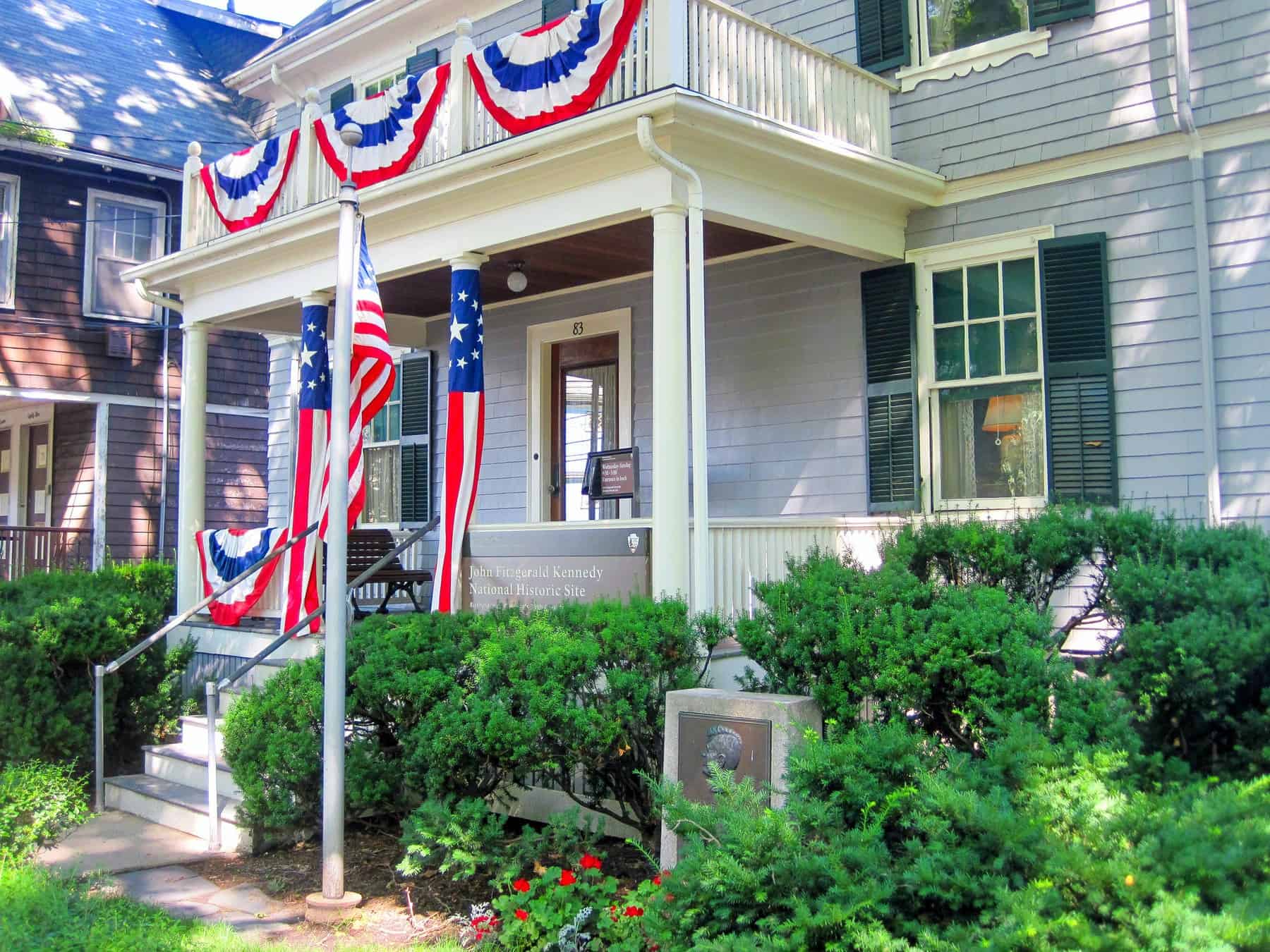
Every September I get the same call from Birmingham homeowners. They want to know how often to paint house exterior surfaces. They also want to know if their siding can hold on for one more Michigan winter. My answer tends to surprise them. The calendar decides this, not the paint. So the sharper question is when to repaint house exterior siding and trim before cold air shuts the season down. In Oakland County, that window closes earlier than most people expect.
I am Paul Lampinen. Tracey and I have run Roy & Paul Cabinet Painting since 2005. We offer exterior and interior house painting services every year except November through April. That is not a scheduling preference. It is a physics problem, and I will show you exactly why below.

When to Repaint House Exterior Surfaces
Before you settle on how often to paint house exterior surfaces, understand what paint actually does. It does not simply dry. It cures. Water leaves the film, and the latex particles melt together into one solid sheet. Cold air stops that process cold.
According to Sherwin-Williams technical guidance, traditional latex paints need temperatures above 60 degrees to cure properly. Some newer products go down to 35 degrees. But surface, air, and product temperature must all stay at or above that mark. Sherwin-Williams also notes that the temperature should sit above the dew point for 48 hours after application.
Now match that against our weather. The National Weather Service Detroit office reports that October is the month the growing season ends across Southeast Michigan. Overnight lows in Birmingham drop below curing range weeks before the first hard freeze shows up on a forecast.
A warm 65 degree afternoon in late October is a trap. The sun goes down, dew forms on the siding, and the film that looked fine at 4 p.m. stops curing by 8 p.m. That is how you get surfactant staining, poor adhesion, and peeling by June.
Seven Signs That Tell You When to Repaint House Exterior Surfaces
You do not need a moisture meter to spot most of these. Walk your house slowly and start on the south and west sides, since those take the most sun. Bring your phone and photograph anything on this list.
| What you see | What it usually means | How soon it matters |
|---|---|---|
| Chalky white residue on your hand | Binder has broken down from sun exposure | This season |
| Paint peeling in sheets | Moisture is getting behind the film | Now |
| Hairline cracking or alligatoring | Film has aged past its flex point | This season |
| Bare wood showing at trim edges | Water is reaching the substrate directly | Now |
| Caulk pulled away from joints | Open path for water into the wall | Now |
| Dark gray or black patches | Mildew growth, often on shaded elevations | This season |
| Soft or spongy wood at sills | Rot has already started | Immediately |
Three of those seven matter more than the rest. Bare wood, failed caulk, and soft trim are water entry points. Water plus a Michigan freeze cycle turns a paint job into a carpentry bill.
Here is the part most contractors skip. Water gets into wood, freezes, expands, and pushes the wood fibers apart. Then it thaws and does it again. Metro Detroit runs through dozens of those cycles between November and March. Each one makes the repair bigger.
What Waiting Until Spring Actually Costs
Let me be straight with you. Knowing how often to paint house exterior surfaces is one thing. Knowing whether yours needs work this month is another.
Chalking and mildew are surface problems. They wait. A house with chalky siding in October is still a paint job in May.
Bare wood and failed caulk are different. Those are open doors. A trim board that needs a light sand and two coats in October can need replacement by April. Once rot starts, we are not painting anymore. We are doing carpentry first, then painting, and the invoice reflects both.
So the honest split looks like this:
How Often to Paint House Exterior Surfaces by Material
The interval depends on what your house is made of and which direction the wall faces. These ranges reflect what we see across Birmingham, Bloomfield Township, and Royal Oak homes.
| Surface | Typical repaint range | What shortens it |
|---|---|---|
| Wood siding and trim | 5 to 7 years | South and west exposure, poor caulk |
| Fiber cement | 10 to 15 years | Impact damage, ground contact |
| Brick and stucco coatings | 8 to 12 years | Moisture behind the wall, salt spray |
| Aluminum siding | 5 to 10 years | Heavy chalking, oxidation |
| Doors, sills, and railings | 3 to 5 years | Daily hand contact, standing water |
Notice the spread. A number from a national article cannot tell you when to repaint house exterior wood on your own house. A south facing wall in Birmingham can fail three years before the north wall on the same home. That is why I walk the property instead of quoting from a photo.
What I Look For on a Birmingham Walkthrough
Age of the home changes the job before we open a single can. Birmingham’s median home was built around 1960, well before the 1978 lead paint ban.
That matters legally. The EPA’s Renovation, Repair and Painting rule states that firms cannot perform covered work in homes built before 1978 without firm certification. Our team holds Lead Certification, so scraping and sanding on an older Birmingham home follows the required containment steps. Ask any painter for that credential in writing before they touch pre 1978 trim.
Here is what else I check and document:
Then you get a written scope. It names the product line, the number of coats, the prep steps, and the price. Roy & Paul Cabinet Painting carries up to $2,000,000 in liability coverage and backs the workmanship with a three year warranty. We have held an A plus rating with the BBB, and we are members of the Painting Contractors Association.
If the answer is that your paint can wait until spring, I will tell you that. A job started in the wrong week costs you twice.
A Simple Plan Before the Season Closes
- 1Walk through the house this week. Use the seven-sign table above and photograph what you find.
- 2Book a free on-site walkthrough. We measure moisture, test adhesion, and give you a written scope.
- 3Pick your window. Either we finish before the cold sets in, or you go on the spring calendar.
Winter is also when we move indoors. Plenty of homeowners use those months for cabinet work. If peeling finishes are on your mind, our post on fine spray coating for cabinets explains why some cabinet finishes chip, and others hold. If interior rooms are on your list, our breakdown of interior house painting cost shows how we price that work.