How to fix sticky cabinet paint starts with knowing what caused the problem. Many homeowners across Sterling Heights ask, “Why are my painted cabinets sticky?” days or even weeks after a project is wrapped up. The answer is not always one thing. But the good news is that once you know the cause, you can take clear steps to fix it. This post covers exactly that.

Why Are My Painted Cabinets Sticky Days After Painting?
Paint drying and paint curing are not the same thing. This surprises a lot of homeowners.
Paint feels dry to the touch within one to four hours. But full cure, the point at which the film is hard and stable, takes much longer. For most water-based cabinet paints, full cure takes between 21 and 30 days. Oil-based products can take even longer.
During that curing window, the paint film is still soft. Closing cabinet doors too soon, placing items on shelves, or pulling open drawers can cause the surfaces to stick together. This is one of the top reasons why my painted cabinets are sticky even when the surface looks and feels dry.
If you have recently done cabinet painting in Sterling Heights, MI, keep in mind that Michigan’s humidity can significantly affect cure time. High humidity in summer and cold air in winter both affect how water-based paints set and harden. A paint job done in a poorly ventilated kitchen in July can take longer to cure than the same job done in spring.
The Four Main Causes of Tacky Cabinet Paint
So why are my painted cabinets sticky in the first place? There are four main causes. Each one explains why are my painted cabinets sticky longer than expected.
How to Fix Sticky Cabinet Paint: What Actually Works
Now to the part most homeowners want answered: how to fix sticky cabinet paint after it has already happened.
If cure time is the cause, the fix is patience. Keep cabinet doors open. Run a fan to move air through the space. Use a dehumidifier if the humidity is high. Give the paint a full 30 days before concluding. Many homeowners see a big improvement by waiting and improving airflow. When it comes to fixing sticky cabinet paint caused by slow curing, time and good air circulation are your tools.
If the cause is the wrong product or thick coats, you may need to strip the finish and start over. That is not what anyone wants to hear, but painting over a sticky finish almost always leads to worse problems. More peeling. More chipping. More cost in the long run.
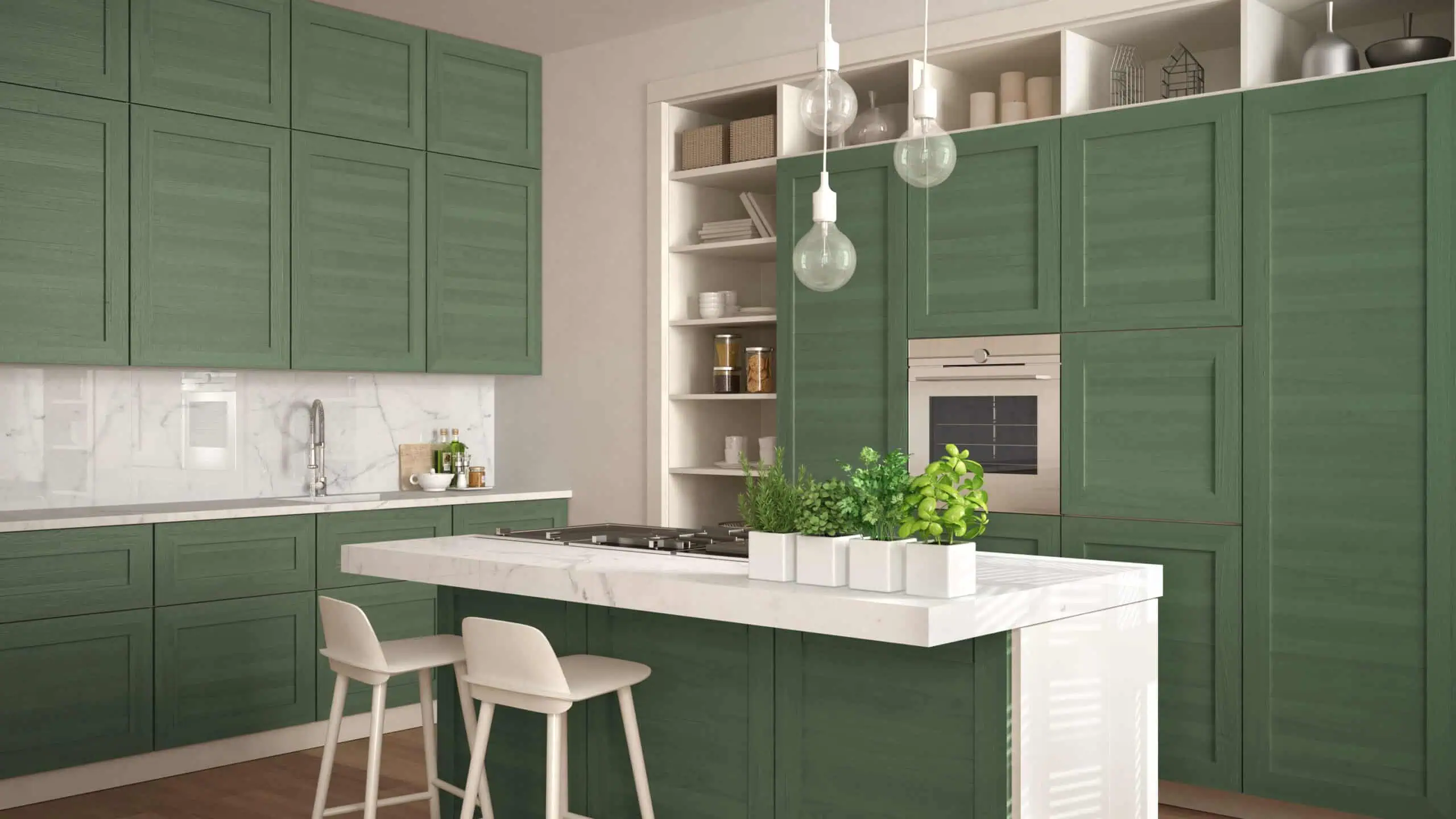
A cabinet painter in Sterling Heights, MI, will look at your cabinets and tell you which path makes sense. Some cases need a light scuff sand and a proper topcoat applied over what is there. Others need a full strip. The right answer depends on what product was used and how the surface was prepared.
The most important thing you can do right now is stop pressing the cabinet doors closed. Every time sticky surfaces press together, they bond a little more. Keeping doors open while the paint cures reduces ongoing damage.
How to fix sticky cabinet paint depends on an honest diagnosis. That is why talking to someone who knows cabinet finishes matters. Figuring out how to fix sticky cabinet paint without knowing the root cause often wastes more time and money.
What Happens When You Leave It Too Long
Here is something many homeowners find out the hard way: tacky cabinet paint that goes untreated causes lasting damage.
When sticky surfaces press against each other day after day, they start to bond. Over time, opening the doors pulls chips of paint off the edges and frames. The finish wears down much faster than a properly cured job would. What started as a sticky surface becomes a full repaint and a much bigger repair bill.
This is why acting early matters. If cure time is the reason your cabinets are tacky, patience fixes it. But if the product or prep was the problem, each week you wait makes the repair harder and more involved.
Cabinet painting in Sterling Heights, MI, is an investment in your home. Homeowners who get cabinet painting done right the first time avoid costly repairs later. A well-applied, properly cured cabinet finish can last 5 to 10 years with normal cleaning and care. Getting the foundation right is what protects that investment.
What a Skilled Cabinet Painter Does Differently
If your cabinets are still tacky and you are not sure what went wrong, a qualified cabinet painter in Sterling Heights, MI can help you figure it out and give you a real plan.
Here is what a skilled painter does that prevents this problem from the start:
That level of care is what separates a cabinet job that holds up for years from one that starts failing after a few months. A cabinet painter in Sterling Heights, MI, who follows these steps gives you a finish you can count on.