Thinking about painting your kitchen cabinets in Beverly Hills, MI? A fresh coat of paint can change the whole feel of a kitchen—without the cost of a full renovation. But before you open that paint can, there’s one step that matters more than people realize: using the right primer for cabinets.
It might not be the flashiest part of the process, but it’s what makes the paint stick, keeps stains from bleeding through, and helps your cabinets hold up to daily wear.
As professional painters in Beverly Hills, MI, we’ve seen what happens when primer gets skipped and it usually means starting over.
Let’s break down why primer matters, where it makes the biggest difference, and how to do it right the first time.
Key Takeaways:
- Primer helps paint stick to kitchen cabinets and prevents peeling or chipping.
- A good primer blocks grease, stains, odors, and tannin bleed from wood.
- Glossy, oak, or pre-finished cabinets always need primer for better adhesion.
- Skipping primer can lead to uneven color and more coats of paint.
- Professional painters in Beverly Hills, MI always prep with primer for lasting results.
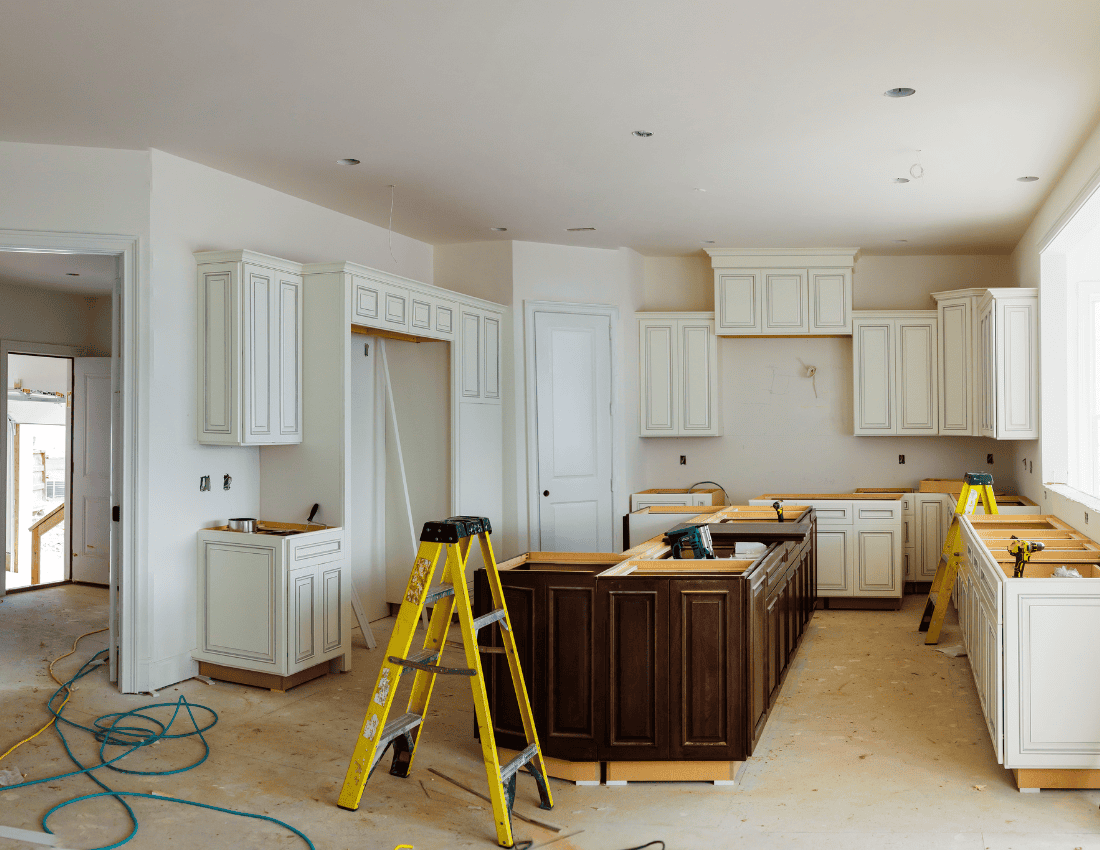
1. Primer Makes Your Paint Stick—Literally
Cabinets take a beating. Between greasy fingers, steam from cooking, and scrapes from daily use, it doesn’t take long for paint to start peeling if it wasn’t applied properly. That’s where primer for cabinets steps in.
Primer helps with adhesion—basically, it gives the paint something to grip onto. If your cabinets are glossy or have a factory finish, they’re naturally resistant to paint. Primer creates a rougher surface that bonds with your topcoat, whether you’re working with latex, oil paint, or lacquer.
Without primer, even the best paint won’t hold up to the daily wear of a busy kitchen, bathroom, or laundry room.
2. It Blocks Stains, Grease, and Tannin Bleed
Kitchen cabinets are full of surprises and not always good ones. Once you start sanding, you might notice grease spots, old stains, or tannin bleed coming through, especially on oak and other hardwoods.
A quality primer for cabinets acts as a blocker. It seals in odors, oils, and wood tannins before they ruin your paint finish. If you’re not sure what tannin bleed looks like, it’s that yellowish-brown discoloration that sometimes seeps through white paint, especially on older cabinets.
Blocking these stains is especially important if you’re going lighter in color, which is common in modern kitchen designs.
3. It Smooths Out Small Imperfections
Even with a good cleaning and thorough sanding, most cabinets have nicks, dents, or rough grain. Primer helps fill in minor flaws, giving you a smoother finish once the paint goes on.
For wood cabinets, especially those with open grain like oak, this makes a huge difference. If you skip priming, the grain can peek through even multiple coats of paint. With primer, you get a clean, even surface that feels like furniture-grade cabinetry.
Foam rollers or sprayers work well here to keep things smooth but the real key is using a bonding primer that levels out the texture before your paint hits the surface.
4. Glossy or Pre-Finished Surfaces? You Need Primer.
Painting over glossy surfaces without prep is a recipe for disaster. The paint just doesn’t stick.
Sanding helps, but it’s only half the battle. You need a primer that grips tight to slick surfaces and bridges the gap between your cabinet base and your topcoat. That’s true whether you’re using a brush, spray paint, or a sprayer for your topcoat.
Some folks try to cut corners by skipping primer on pre-finished or laminate cabinetry. But even the best professional painters in Beverly Hills, MI know: no primer, no proper adhesion.
If you want to compare finish styles, check out our spray paint vs brush paint cabinets to see which technique fits your space and skill level.
5. Changing Cabinet Colors? Primer Saves the Day
If you’re planning to go from dark cabinets to a light paint color—or vice versa—you’ll burn through paint without primer. A good primer helps cover the original color and keeps it from bleeding through, which is especially important if you’re painting white over brown, black, or wood tones.
Using primer also means fewer topcoats. So not only do you save on paint, but you also save time. It’s a win-win, especially if you’re working with a tight renovation timeline.
This is one of the most common reasons people reach out for professional cabinet painting in Beverly Hills, MI—to get that flawless color change without the hassle.
6. Primer Helps Paint Last Longer
Paint doesn’t just need to look good—it needs to last. Whether you’re dealing with drawer fronts, doors, or side panels, primer adds durability by anchoring the paint and protecting the surface from peeling and chipping.
In high-traffic areas like your kitchen or bathroom, this is a big deal. Think of primer like a shock absorber between the cabinet surface and your paint. It gives everything more staying power—even against moisture, heat, and cleaning products.
7. Helps Lock In Odors and Old Residue
Older cabinets often carry years of odor from food, smoke, or just everyday life. Painting over them won’t always seal those smells in. A good stain-blocking or shellac-based primer can help lock that stuff in, so it doesn’t sneak back through your freshly painted surface.
We’ve seen cabinets that looked great but still smelled like last year’s fried chicken. Trust us—primer is the fix.
8. Primer Helps with Paint Compatibility
Mixing paints, like putting latex over oil, often causes problems like flaking or bubbling. Using a bonding primer between those layers creates a neutral surface so your paint behaves as it should.
For example, many older cabinets were originally coated in oil paint. If you slap on a latex product without primer, it won’t stick for long. A quality bonding primer bridges the two products and makes your paint last.
Want to know what kind of paint works best for your cabinets? Take a look at our cabinet replacement guide for helpful comparisons.
9. Priming Makes Your Finish Look Professional
Even if you’re going DIY, the finish shouldn’t look it. Primer lays the groundwork for a smooth, professional-looking result. It fills in pores, prevents blotchiness, and sets the stage for a clean topcoat.
This is especially important when painting around hardware or doing detailed work like painting cabinet handles. Whether you’re brushing, rolling, or spraying, the right primer helps your finish look clean—not patchy or uneven.
Final Thoughts: Don’t Skip the Primer for Cabinets
If you want your kitchen cabinets to look great and hold up over time, don’t skip the primer. It’s the difference between a quick paint job and a lasting upgrade. From blocking stains and odors to helping paint stick better, primer for cabinets gives your paint the solid base it needs.
At Roy & Paul Cabinet Painting, our professional cabinet painters in Beverly Hills, MI take the time to prep every cabinet properly, so you get results that last in the kitchen, bathroom, or wherever your cabinetry lives.
Whether you’re repainting oak, wood, or laminate, primer helps it all come together.
Here’s how our cabinet painting process works:
- We start with a deep clean to remove grease, dust, and residue
- Sanding follows to improve adhesion and smooth out flaws
- We apply a high-quality primer for cabinets suited to your surface
- Once primed, we spray or roll on a durable latex, oil, or specialty cabinet paint
- We finish with a protective topcoat if needed
- Your space is left clean, fresh, and ready to enjoy
Ready to give your cabinets a proper upgrade? Call Roy & Paul Cabinet Painting for cabinet painting in Rochester, Madison Heights, Southfield, MI and the surrounding areas. Call us at 248-290-8177 for your FREE estimate!